
Healthcare in the United States has never been more technologically advanced—and yet, for millions of people, getting basic healthcare remains surprisingly difficult.
Patients can have insurance, access to highly qualified physicians, and some of the world’s most advanced medical technology, while still struggling to get a simple blood test.
The problem is not always the absence of healthcare.
The problem is access to healthcare.
Long travel times, limited appointment availability, transportation challenges, work schedules, mobility limitations, fragmented healthcare systems, and the growing demand for preventive and personalized medicine have created a fundamental accessibility gap.
At Filos Health, we believe healthcare should not require patients to reorganize their lives around the healthcare system.
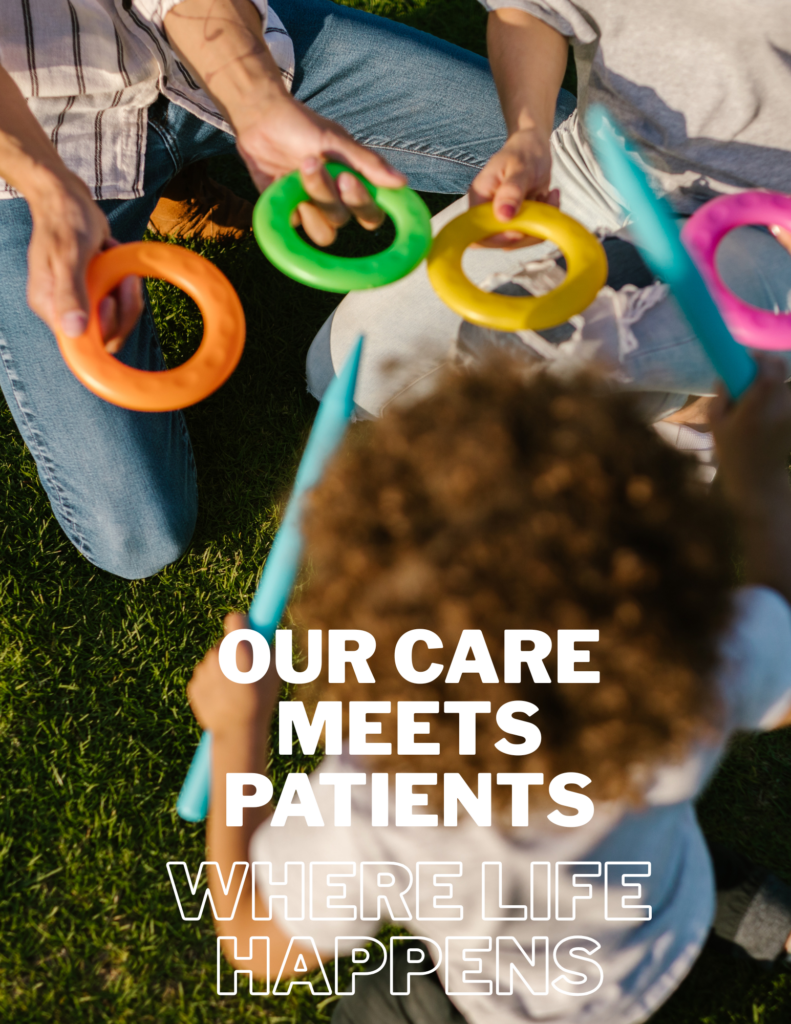
Instead, healthcare should meet patients where they are.
Filos Health is building a more accessible healthcare infrastructure by combining mobile blood collection, diagnostic testing, laboratory services, and healthcare technology to make diagnostic care more convenient, connected, and patient-centered.
This article explores the healthcare accessibility crisis, why traditional healthcare delivery is struggling to keep up with modern patient needs, and how Filos Health is working to create a more decentralized model of healthcare delivery.
Traditional healthcare delivery has largely been organized around physical facilities.
Patients travel to:
This model made sense when healthcare infrastructure was primarily location-dependent.
But healthcare itself is changing.
Patients increasingly expect healthcare to be:
Healthcare delivery must evolve alongside those expectations.
The future of healthcare is not necessarily about eliminating healthcare facilities.
It is about extending healthcare beyond the walls of those facilities.
That means bringing more components of healthcare directly into the communities and environments where patients already live and work.
Diagnostics are the foundation of modern medicine.
Laboratory testing helps physicians:
Yet diagnostic access can still be inconvenient.
A patient may have a physician appointment but have difficulty completing laboratory testing afterward.
A concierge medical practice may provide an exceptional patient experience but still depend on external laboratory infrastructure.
A healthcare organization may have thousands of patients but lack an efficient way to coordinate mobile specimen collection.
This creates a critical infrastructure gap.
Filos Health is focused on solving that gap.
Filos Health is building infrastructure for more accessible, decentralized healthcare delivery.
Our approach combines several components of the healthcare ecosystem:
Mobile blood collection + laboratory services + diagnostic infrastructure + healthcare technology.
Rather than treating mobile healthcare as simply a convenience service, Filos Health views mobile diagnostics as an infrastructure layer that can connect patients, healthcare providers, laboratories, and healthcare organizations.
The goal is simple:
Bring healthcare closer to the patient while making the underlying system more connected and efficient.
Healthcare accessibility refers to the ability of individuals to obtain appropriate healthcare services when they need them. Factors such as transportation, geography, scheduling, mobility, cost, and availability can all affect healthcare access.
The healthcare accessibility crisis describes the growing gap between the healthcare services available within the healthcare system and the ability of patients to conveniently and consistently access those services.
Mobile healthcare involves delivering certain healthcare services outside traditional healthcare facilities. Depending on the service, this can include mobile blood collection, diagnostic services, and other appropriate healthcare services.
Mobile phlebotomy is a service in which a trained phlebotomy professional travels to an appropriate location to collect blood specimens rather than requiring the patient to travel to a traditional laboratory for the collection.
Mobile blood draws can reduce certain logistical barriers by allowing appropriate blood collection services to take place closer to where patients live, work, or receive care.
Decentralized healthcare refers to healthcare services being distributed across multiple locations and delivery methods rather than relying exclusively on centralized healthcare facilities.
Diagnostic testing provides healthcare professionals with information that can support disease evaluation, monitoring, prevention, treatment decisions, and ongoing health management.
Healthcare technology can help improve communication, scheduling, coordination, and connectivity across different parts of the healthcare ecosystem, potentially reducing friction for both patients and providers.
Filos Health is a healthcare company focused on improving healthcare accessibility through mobile healthcare services, diagnostic solutions, and technology designed to support a more connected and patient-centered healthcare experience.
The future of healthcare accessibility is likely to involve a combination of traditional healthcare facilities, mobile healthcare, digital health, decentralized diagnostics, remote services, and connected healthcare technology.

Filos Health is focused on making healthcare more accessible, convenient, and connected.
By bringing together mobile healthcare, diagnostic services, and technology, Filos Health is working to help bridge the gap between patients and the healthcare system.
Our vision is a healthcare experience that is more responsive to where patients actually live and work—while helping healthcare organizations deliver services in increasingly flexible ways.
Healthcare should meet patients where they are.